Location: Gaoming District, Foshan, Guangdong, China

How to Choose a Kids Sofa: A Buying Guide for Retailers and Furniture Brands

Choosing a kids sofa for a retail collection is very different from choosing one for a single home.
For retailers, wholesalers, importers and furniture brands, a successful kids sofa needs to balance child-friendly design with durability, manufacturing consistency, packaging efficiency and market positioning.
A sofa may look attractive in photographs, but details such as frame construction, foam, upholstery, dimensions and packaging can significantly affect product quality, shipping costs and customer satisfaction.
As an experienced kids sofa manufacturer, Tianfeng Baby works with international B2B customers on OEM and ODM nursery and children’s furniture projects. Based on our manufacturing experience, here are the key factors buyers should consider when sourcing kids sofas.
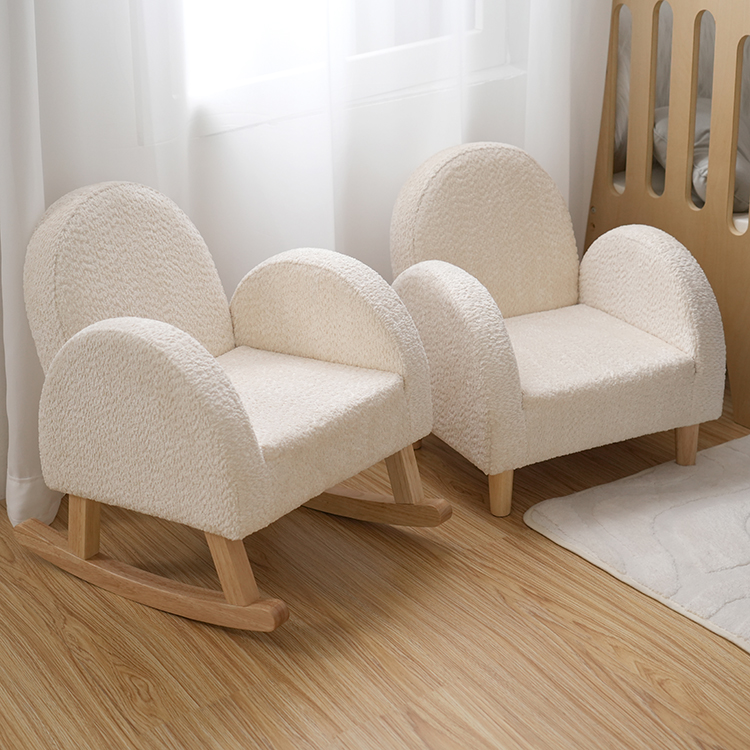
1. Define the Target Age Group and Product Positioning
Before contacting a kids sofa supplier, start by defining the intended user and market position.
A toddler sofa generally requires lower seating, smaller proportions and easier access, while furniture designed for older children may need a larger seat depth and more supportive proportions.
B2B buyers should consider:
- Target age range
- Single-seat or multi-seat design
- Intended retail market
- Approximate dimensions
- Preferred style
- Target price positioning
- Maximum product and packaging size
These details help the manufacturer recommend an appropriate structure instead of simply scaling down an adult sofa.
Tianfeng Baby offers a range of kids sofas and toddler seating products for different retail collections and markets.
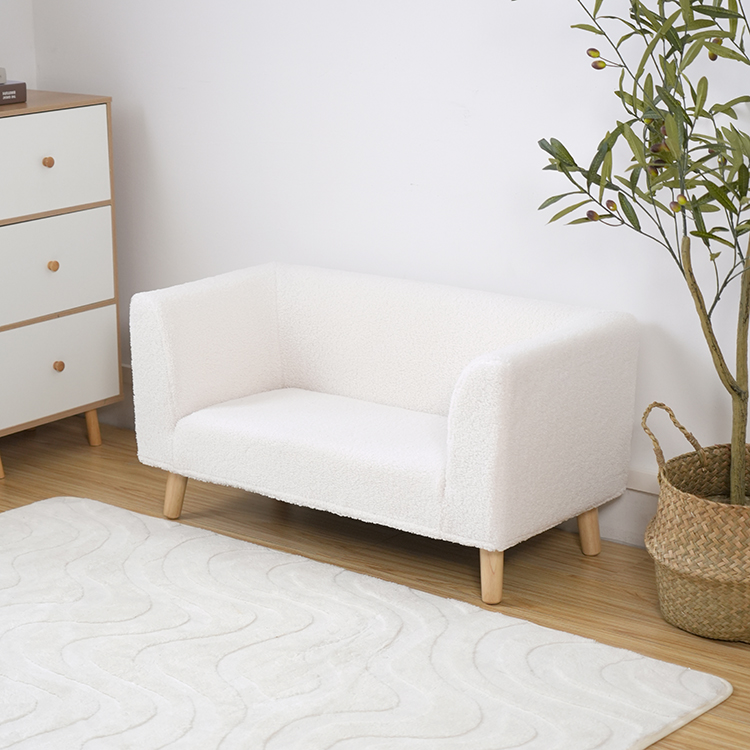
2. Evaluate the Internal Frame Construction
The appearance of a kids sofa is important, but B2B buyers should also understand what is underneath the upholstery.
The internal frame affects stability, durability and production cost. Depending on the design, different combinations of wood, engineered wood and structural materials may be used.
When evaluating a kids sofa manufacturer, buyers can ask:
- What materials are used for the internal frame?
- How are important structural joints reinforced?
- Is the structure suitable for repeated everyday use?
- Can the construction be adjusted for different specifications?
- How does the structure affect overall product weight?
Two children’s sofas may look almost identical externally while using very different internal construction.
For private-label projects, understanding these differences helps buyers compare quotations more accurately.
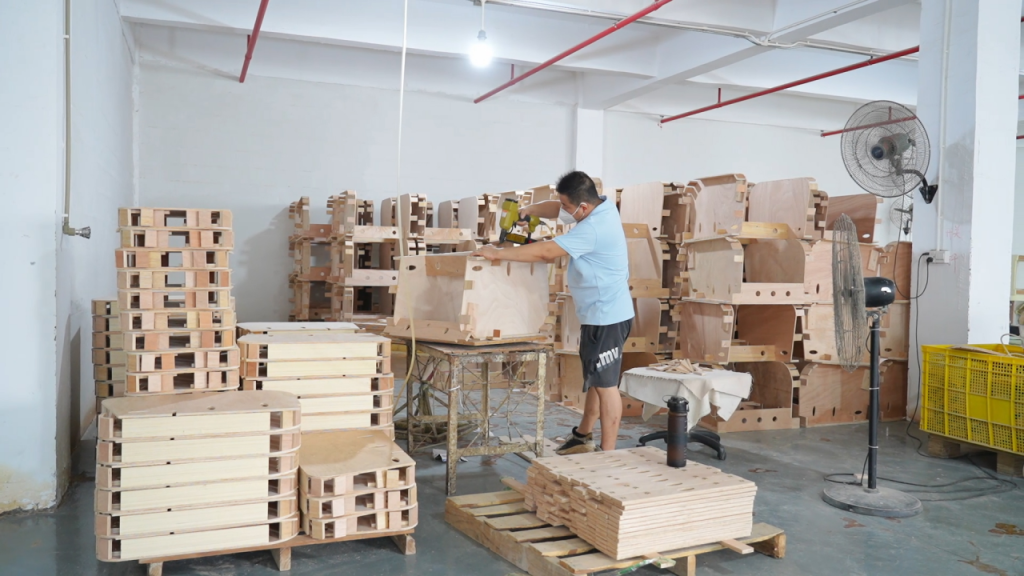
3. Choose the Right Foam for Comfort and Shape Retention
Foam influences seating comfort, appearance and how well the sofa maintains its shape during use.
For children’s upholstered furniture, simply choosing the softest foam is not necessarily the best approach. Buyers should consider the intended age group, seat construction and desired firmness.
During OEM development, manufacturers and buyers can discuss foam specifications according to the intended product design and market requirements.
The goal is to achieve an appropriate balance between:
comfort, support, shape retention and production cost.
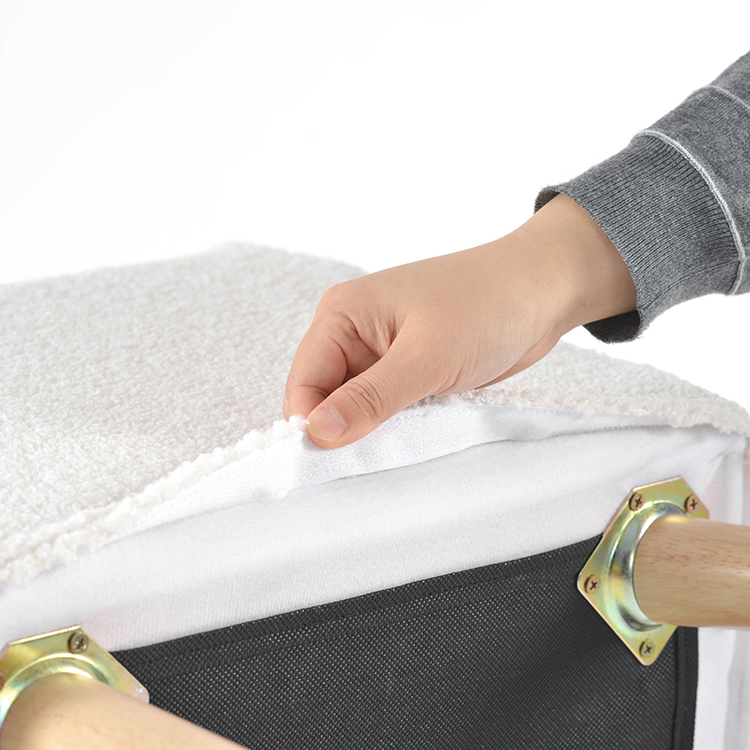
4. Select Upholstery for the Target Market
Fabric can completely change the positioning of the same kids sofa.
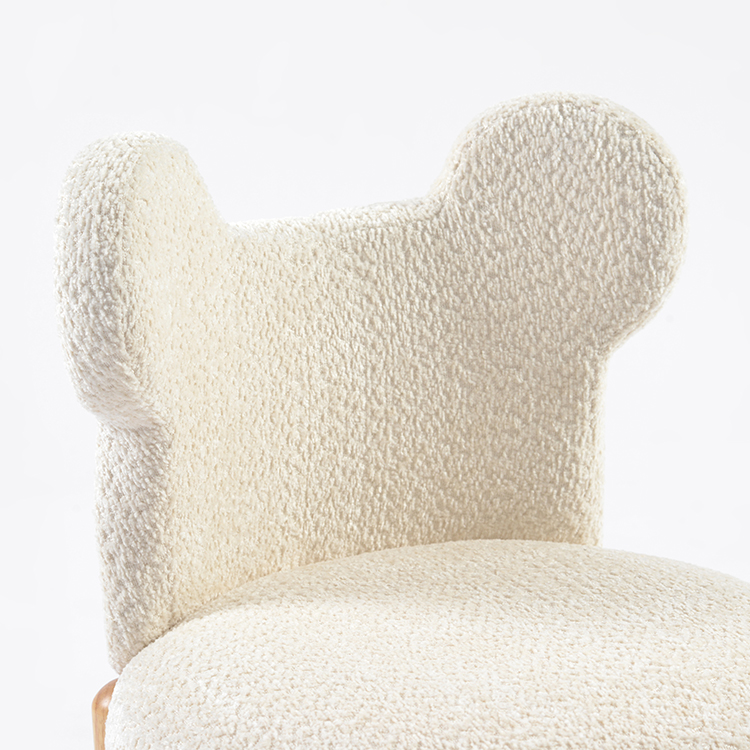
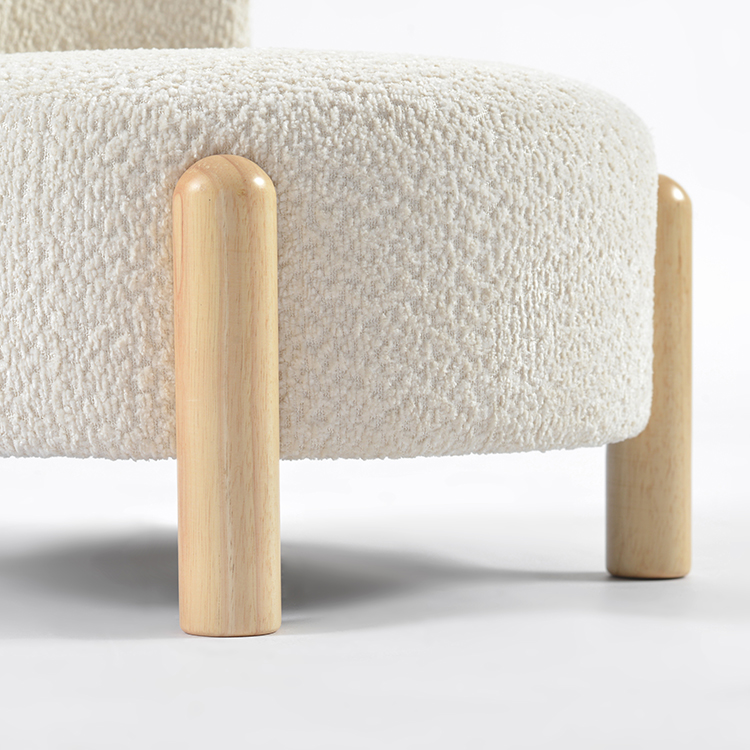
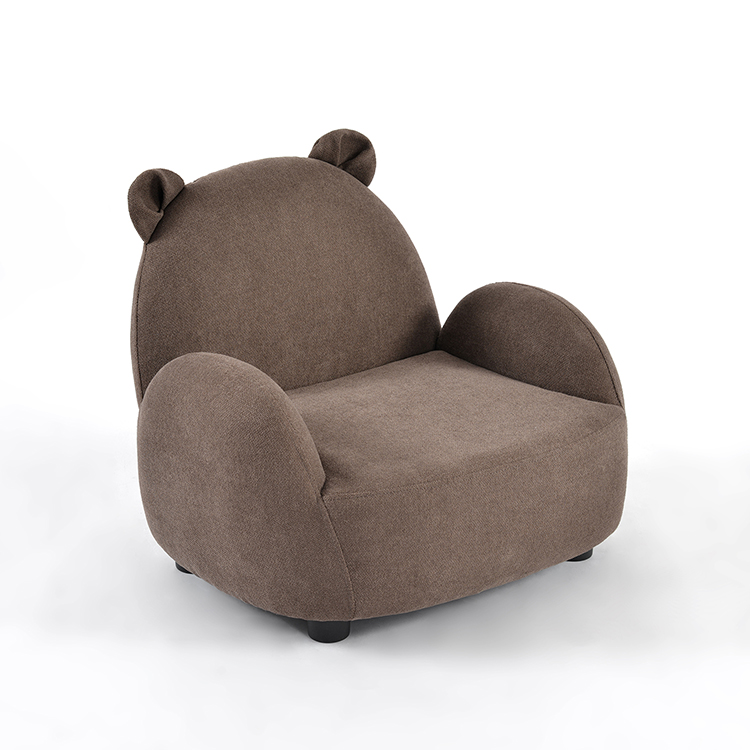
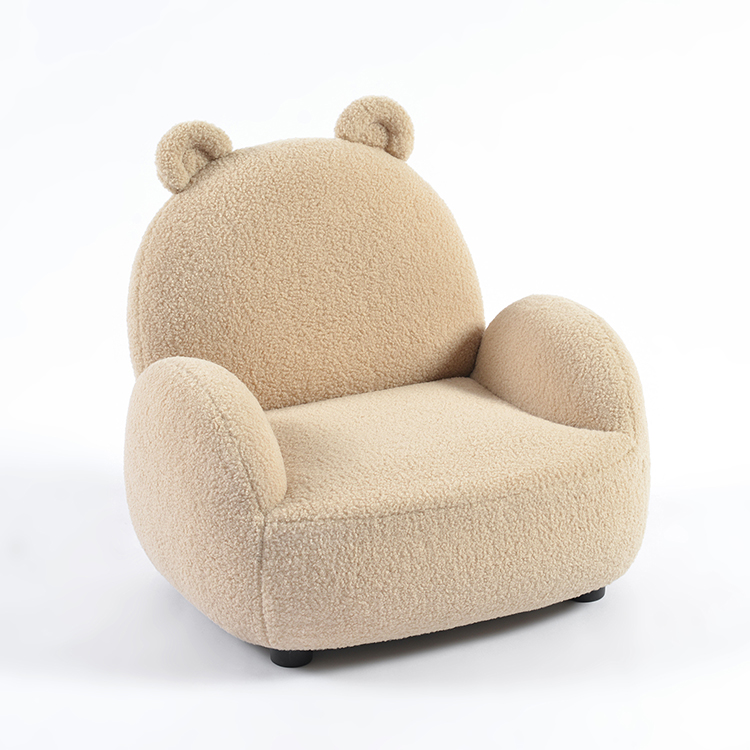
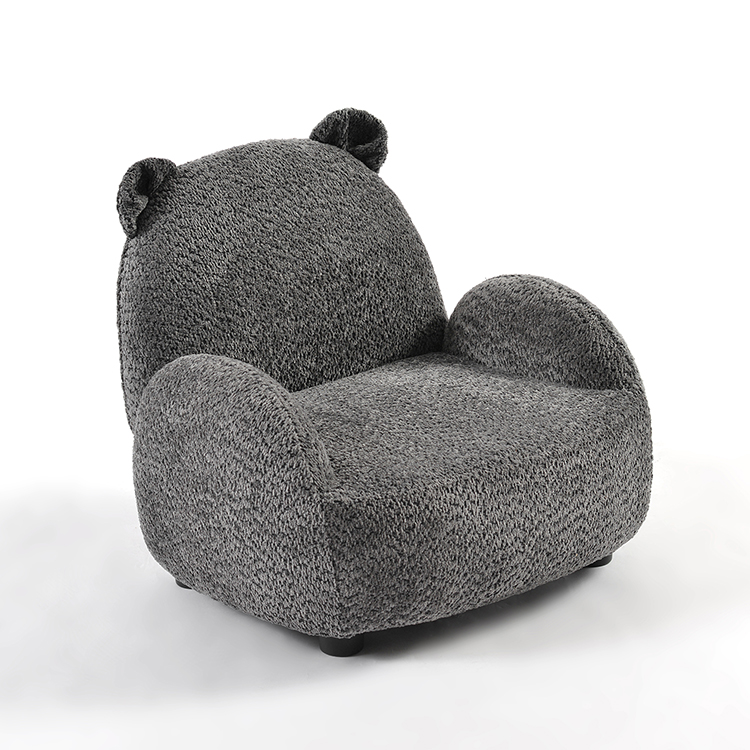
Bouclé and textured fabrics are popular for warm, contemporary interiors, while velvet can create a softer decorative appearance. Other upholstery options may prioritize durability, cleaning performance or specific market requirements.
For wholesale buyers, fabric selection should consider more than color and appearance.
Important factors may include:
abrasion resistance, color fastness, cleaning requirements, texture, consistency between production batches and applicable testing requirements.
For OEM and ODM projects, reviewing fabric swatches before production can help buyers confirm color, texture and overall positioning.
5. Consider Child-Friendly Design Details
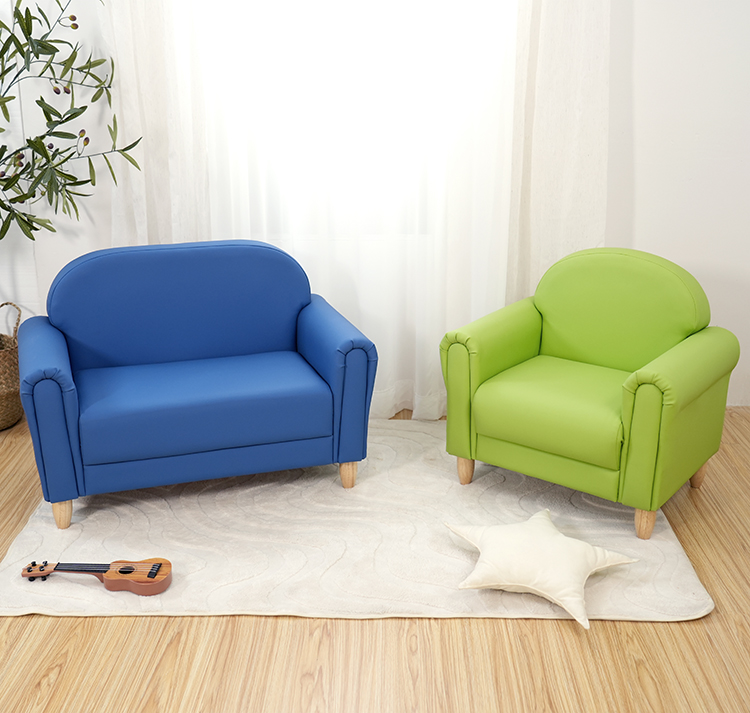
Children interact with furniture differently from adults. They may climb onto seating, lean against the arms and frequently change position.
Depending on the product and intended market, buyers may therefore consider features such as:
- Rounded or softened corners
- Stable proportions
- Age-appropriate seat height
- Comfortable armrest shapes
- Secure structural connections
- Materials suitable for the intended application
However, buyers should not assume that a product complies with relevant requirements simply because it looks child-friendly.
Product construction, materials and applicable testing requirements should be evaluated according to the destination market and intended use.
For more information, read our guide to Choosing Safe Materials for Kids Furniture.
6. Kids Sofa vs. Play Couch: Which Fits Your Product Line?
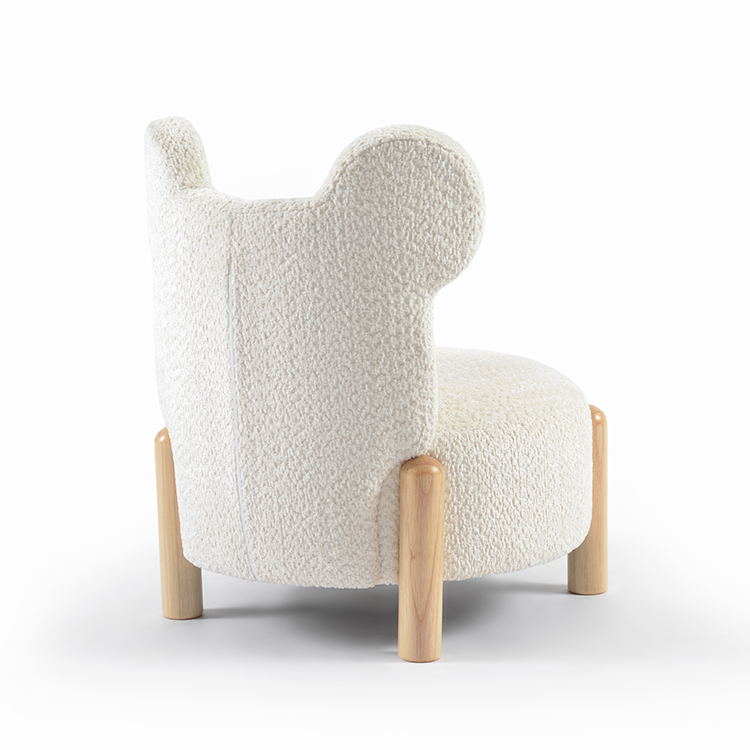
Traditional kids sofas and play couches serve somewhat different purposes.
A traditional kids sofa is primarily designed as dedicated seating and can work well in nurseries, bedrooms, reading corners and children’s living spaces.
A play couch is typically more modular. Cushions or foam components can often be rearranged into different configurations for sitting, relaxing and imaginative play.
For retailers and furniture brands, the right choice depends on the positioning of the collection.
A traditional kids sofa may suit brands focused on decorative children’s furniture and coordinated room collections, while a play couch may appeal to brands emphasizing flexible, multifunctional play furniture.
Some children’s furniture collections may eventually benefit from offering both.
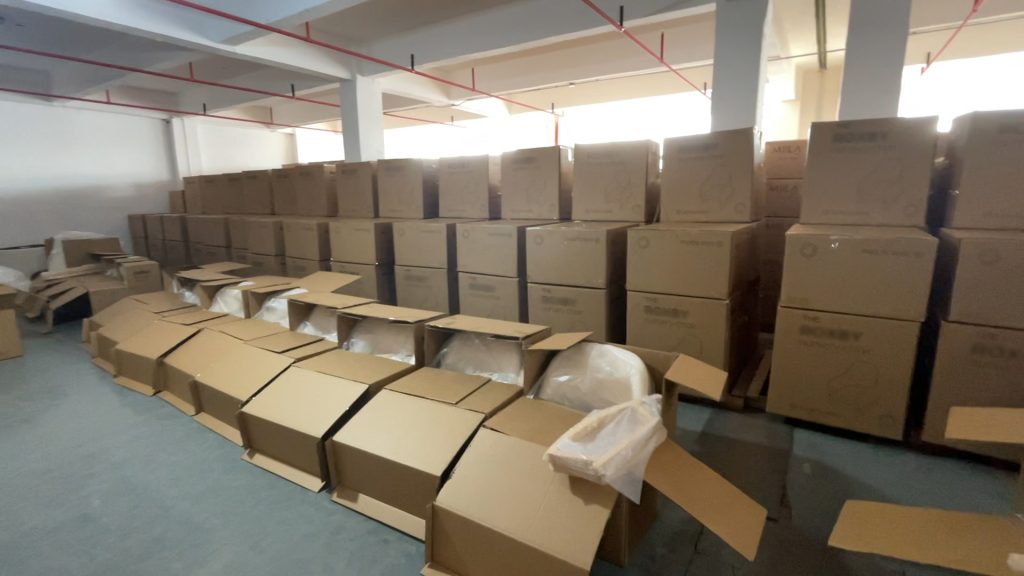
7. Consider Packaging and Shipping Efficiency
For international buyers, the real cost of a kids sofa is not limited to its factory price.
Carton dimensions, product weight and container loading efficiency can significantly influence landed cost.
This makes packaging an important part of product development rather than something that should only be considered after the design has been finalized.
Buyers can discuss questions such as:
- What are the carton dimensions?
- What are the net and gross weights?
- Can the legs or other components be packed separately?
- How is the sofa protected inside the carton?
- How many units can be loaded into a container?
- Is the packaging suitable for the intended distribution model?
For e-commerce distribution, packaging performance can be particularly important because individual cartons may experience repeated handling throughout the logistics process.
8. Understand Testing and Destination-Market Requirements
Requirements for children’s furniture can vary according to the product type, materials, intended use and destination market.
For this reason, B2B buyers should communicate the intended sales market early in the sourcing process.
This allows the manufacturer and buyer to consider relevant materials, construction requirements and testing needs before mass production.
For brands selling into multiple markets, discussing these requirements during product development can help reduce the risk of costly changes later.
9. Ask About OEM and ODM Customization
For furniture brands and retailers, sourcing does not always mean choosing an existing model from a catalog.
OEM and ODM development can allow buyers to build products around their own market positioning.
Depending on the project, customization may include:
- Product dimensions
- Fabric and colors
- Foam specifications
- Wooden legs or rocker styles
- Embroidery or private-label details
- Packaging
- Product structure
- Coordinated furniture collections
Tianfeng Baby provides OEM and ODM nursery and kids furniture manufacturing for international brands, retailers and wholesalers.
10. What Should You Send a Kids Sofa Manufacturer for a Quote?
Providing clear sourcing information helps manufacturers prepare more relevant quotations.
Instead of sending only:
“Please send your kids sofa price.”
buyers can provide:
Product style or reference image
Target quantity
Destination market
Preferred fabric and materials
Approximate dimensions
Packaging requirements
Required testing or standards
Target delivery schedule
For OEM projects, buyers can also share drawings, mood boards or existing product references where appropriate.
This reduces unnecessary communication and makes it easier to evaluate manufacturing feasibility.
Choosing the Right Kids Sofa Manufacturing Partner
A successful kids sofa is not determined by appearance alone.
For retailers, importers and furniture brands, design, internal construction, upholstery, comfort, packaging, market requirements and manufacturing consistency all influence the commercial potential of a product.
Working with a manufacturer early in the development process can also make it easier to balance design ideas with manufacturing feasibility, logistics and sourcing costs.
Tianfeng Baby has been manufacturing nursery and kids furniture since 1996, serving international B2B customers with OEM and ODM manufacturing solutions.
What should buyers look for when choosing a kids sofa manufacturer?
Buyers should evaluate manufacturing experience, frame construction, upholstery options, product specifications, quality control, packaging capability, customization options and experience with the intended destination market.
Can kids sofas be customized for private-label brands?
Yes. Depending on the manufacturer and project, OEM kids sofas can often be customized in dimensions, fabrics, colors, foam, legs, packaging and other design details.
What is the typical MOQ for wholesale kids sofas?
MOQ varies according to the product design, materials, customization requirements and production conditions. Buyers should provide their expected order quantity when requesting a quotation.
What information should I provide when requesting a kids sofa quotation?
Provide the product style, expected quantity, destination market, dimensions, preferred materials, packaging requirements and any relevant testing or customization requirements.
Looking for a Kids Sofa Manufacturer?
Explore our Kids Sofas Collection or contact us to discuss your next OEM or ODM children’s furniture project.
→ Explore Kids Sofas
→ Request a Quote