Location: Gaoming District, Foshan, Guangdong, China

Popular Kids’ Room Furniture Styles in Europe and North America: 2026 Trends

What kids’ room furniture styles are popular in Europe and North America in 2026?
Popular kids’ room furniture trends in 2026 include warm Scandinavian design, natural wood furniture, Montessori-inspired layouts, multifunctional and space-saving furniture, modular play couches, and playful statement pieces.
European children’s interiors often emphasize natural materials, warm minimalism and efficient use of space, while North American kids’ rooms show particularly strong interest in flexible play furniture, modular soft seating and multifunctional designs.
Behind these trends is a broader change in how families think about children’s spaces.
A modern kids’ room is no longer simply a bedroom. It may also function as a reading corner, creative space, playroom, storage area and, as children grow, a place for learning and study.
As a result, today’s kids’ room furniture needs to balance design, functionality, durability and child-friendly use.
For furniture retailers, wholesalers and children’s brands, understanding these changes can also provide useful inspiration when developing the next kids’ furniture collection.
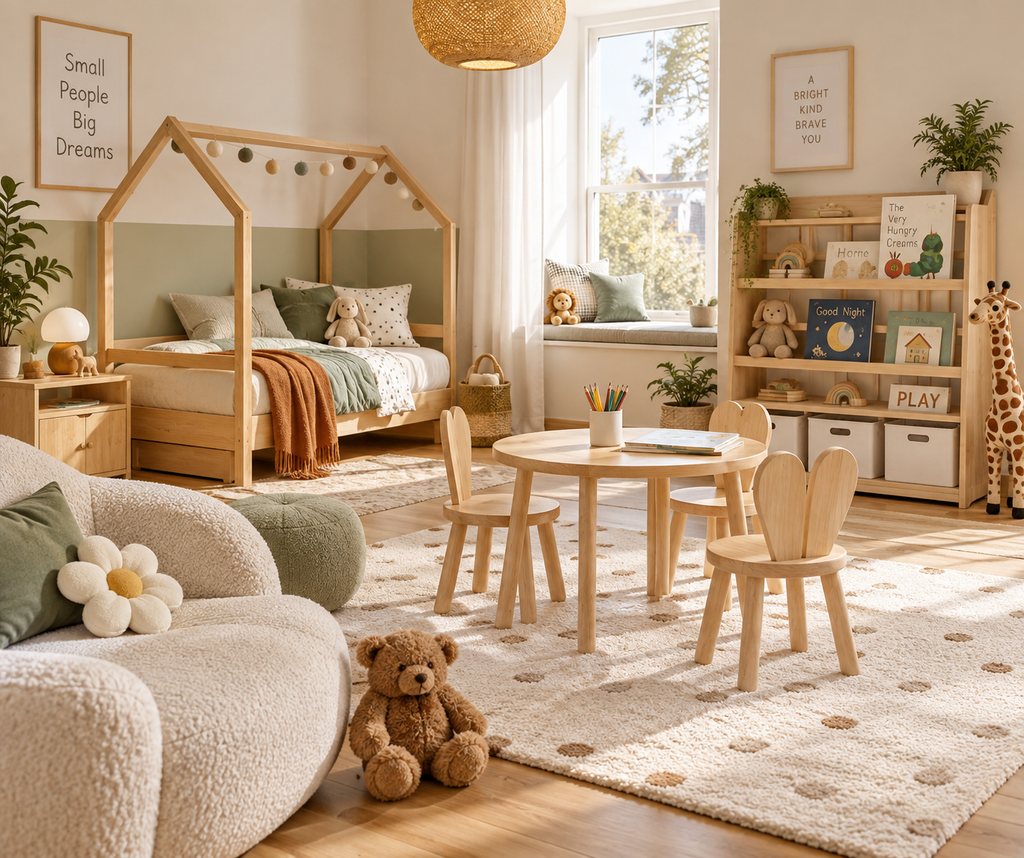
1. Warm Scandinavian Kids’ Furniture
Scandinavian design has influenced European children’s interiors for many years, and it remains an important direction in modern kids’ furniture.
However, the look is becoming noticeably warmer.
Instead of the cool white-and-gray minimalism that dominated many interiors in previous years, modern Scandinavian-inspired kids’ rooms increasingly combine simplicity with natural textures and softer colors.
Common design elements include:
- light oak, ash and birch tones
- warm white and cream
- beige and sand
- sage and muted green
- dusty blue and soft earthy tones
- simple furniture silhouettes
- rounded corners
- natural-looking finishes
- cotton, linen and textured upholstery
The result is a form of warm minimalism: clean and uncluttered, but still comfortable enough for a child’s room.
This aesthetic works particularly well with wooden kids’ beds, bookshelves, tables and chairs.
For furniture brands, another advantage is longevity. Simple furniture with natural finishes is less dependent on short-lived themes and can remain suitable as children grow.
2. Montessori-Inspired Kids’ Furniture
Montessori-inspired kids’ furniture is designed around children’s independence, using accessible heights, simple layouts and furniture that children can interact with more independently.
This principle continues to influence kids’ room design in both Europe and North America.
Instead of placing books, toys and everyday objects primarily at adult height, a Montessori-inspired room brings important items closer to the child.
Common examples include:
- low bookshelves
- front-facing book displays
- child-height tables and chairs
- accessible toy storage
- low wardrobes
- low beds
- learning towers
A front-facing bookshelf, for example, allows young children to see book covers and select books themselves.
Likewise, a properly proportioned kids’ table gives children their own space for drawing, building, reading and creative activities.
The important idea is therefore not a particular aesthetic.
It is accessibility and independence.
For furniture designers and buyers, this means considering how children will actually reach, move and use furniture — rather than simply creating smaller versions of adult products.
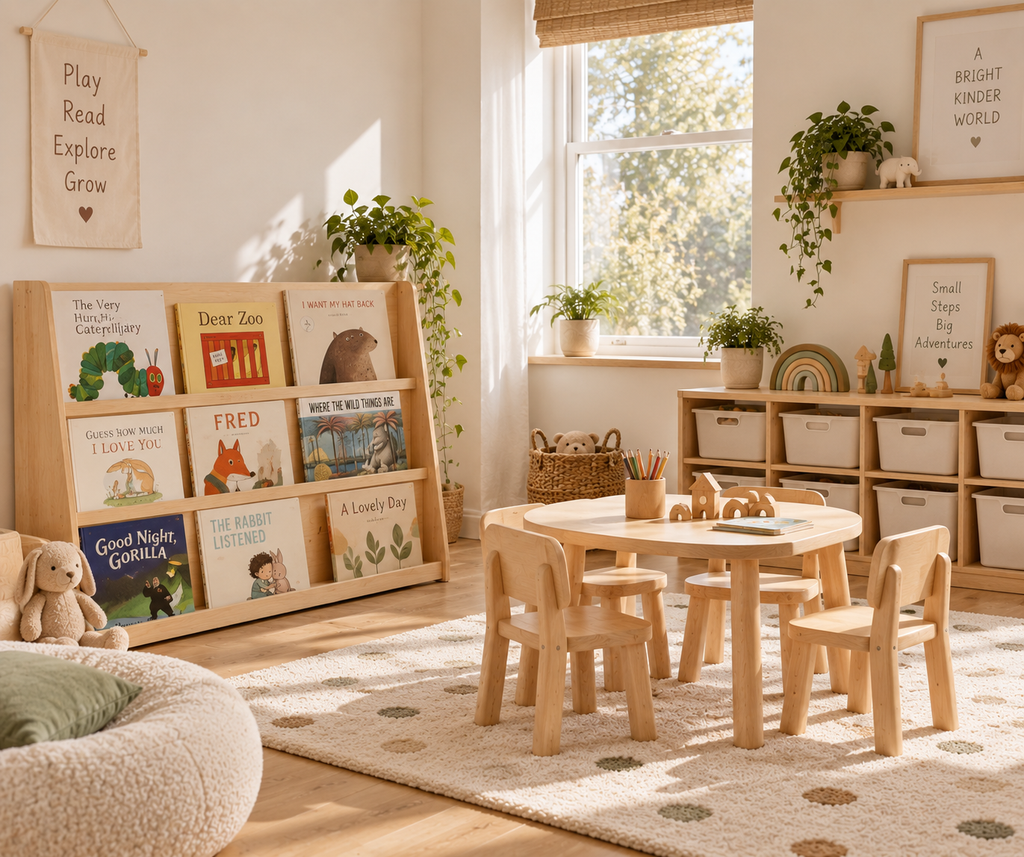
3. Natural Wood and Soft Neutral Kids’ Rooms
Natural-looking materials and warm wood tones continue to play an important role in contemporary children’s interiors.
Light oak, ash and birch finishes can help create a room that feels warm and calm without looking overly formal.
Popular combinations include:
Natural Wood + Warm White
Oak + Sage Green
Cream + Terracotta
Beige + Dusty Rose
Light Wood + Soft Blue
Neutral does not necessarily mean colorless.
Instead of designing an entire room around strong primary colors, many modern kids’ rooms use a calm base and introduce personality through smaller pieces of furniture, cushions, rugs, artwork, toys and accessories.
This also makes the room easier to update as a child grows.
Material selection, however, should go beyond appearance.
For children’s furniture, buyers should also consider structural durability, surface finishes, upholstery materials and the applicable safety requirements of their target market.
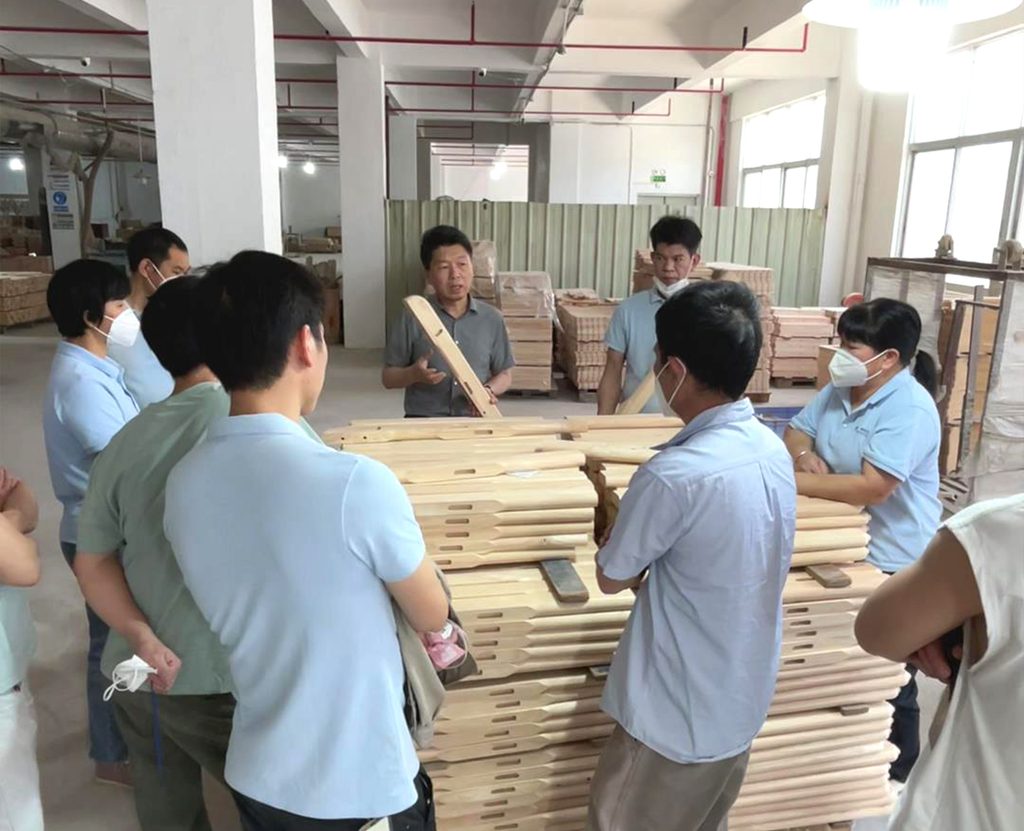
4. Furniture That Grows With the Child
One of the most practical trends in modern kids’ furniture is adaptability.
Children grow quickly, and furniture designed for only a very short stage of childhood may need to be replaced sooner.
This is encouraging greater interest in furniture that can adapt over time.
Examples include:
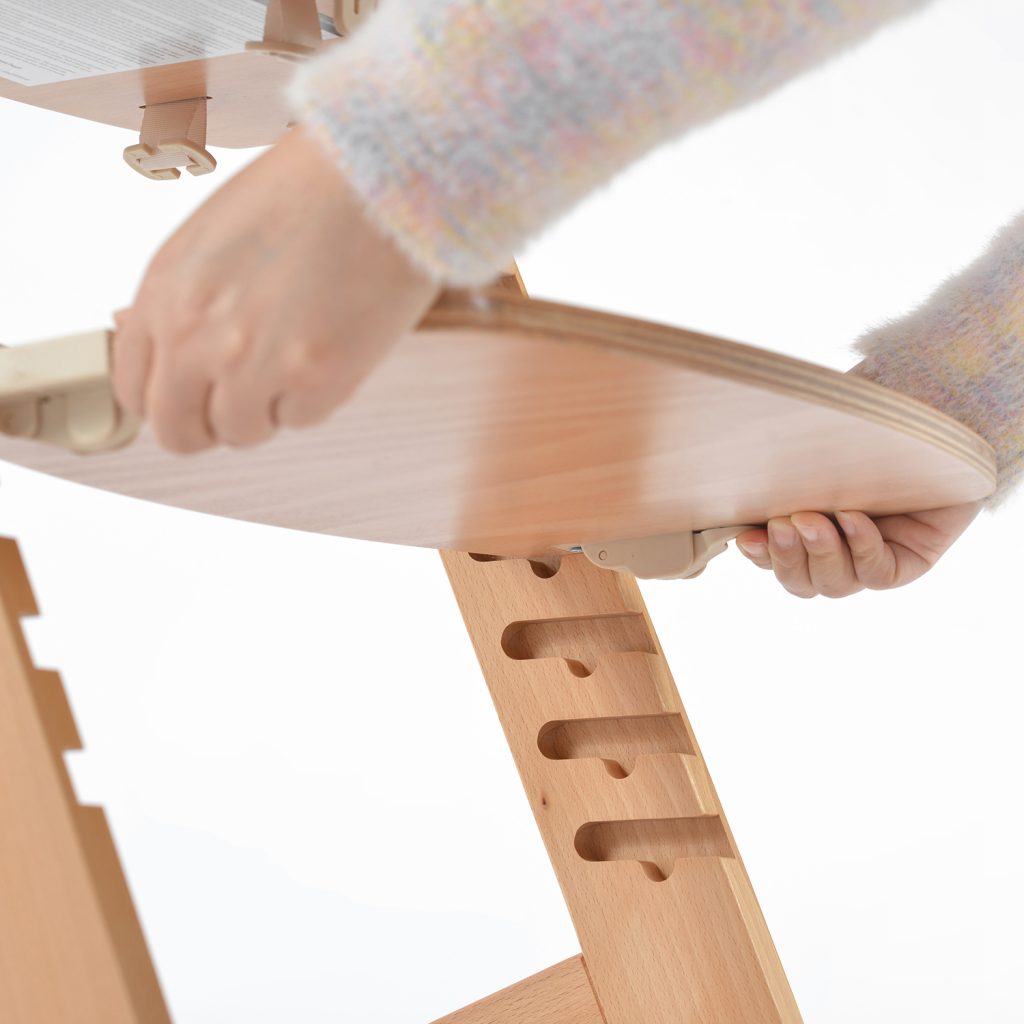
- adjustable tables and chairs
- adjustable footrests
- convertible beds
- modular storage
- removable components
- adaptable shelving
- furniture with multiple configurations
A piece of furniture does not necessarily need to transform completely.
Sometimes relatively simple design decisions — such as adjustable heights or removable components — can extend its useful life considerably.
For parents, this can mean better long-term value.
For furniture buyers and brands, “grows with the child” can become an important product development concept when creating future collections.
5. Space-Saving and Multifunctional Kids’ Furniture
Modern children’s rooms often need to perform several functions within one space.
The same room may need to provide areas for:
sleeping + storage + reading + playing + learning
This makes space efficiency increasingly important, particularly in urban homes where floor space may be limited.
As a result, multifunctional kids’ furniture is becoming an increasingly useful design approach.
Examples include:
- beds with integrated drawers
- loft beds with activity or study areas underneath
- benches with hidden storage
- modular shelving systems
- compact tables with storage
- multifunctional play furniture
Instead of evaluating furniture only by appearance, families increasingly have another practical question:
What else can this furniture do?
This creates interesting opportunities for furniture designers to combine storage, seating, play and learning functions within the same product.
6. Play Couches and Modular Kids’ Sofas
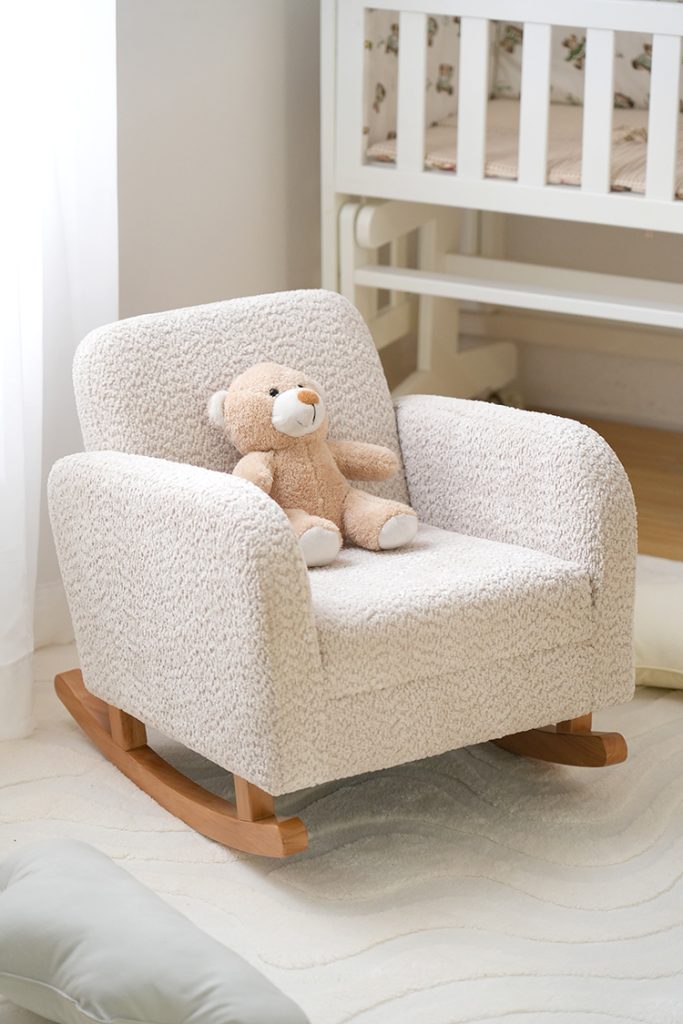
A play couch is a modular soft-seating system made from movable cushions or foam components that children can use for seating, reading, relaxing and open-ended play.
This category reflects an interesting change in children’s furniture design.
A kids’ sofa no longer needs to be simply a miniature version of an adult sofa.
With modular components, children can rearrange soft pieces to create:
- reading corners
- forts
- tunnels
- floor seating
- play structures
- quiet spaces
- nap areas
This allows one product to sit somewhere between furniture and open-ended play.
Why Are Play Couches Becoming Popular?
One reason is versatility.
A traditional kids’ sofa primarily provides seating. A modular play couch can provide seating while also becoming part of the child’s play environment.
This makes the category particularly interesting for homes where parents want furniture to serve more than one purpose.
For children’s furniture brands, modular soft furniture can also provide opportunities for different configurations, fabric collections, removable covers and product extensions.
7. Playful Statement Furniture
Minimalism remains influential, but a child’s room does not need to look like an adult bedroom.
Another interesting direction is playful, story-led furniture.
Instead of decorating an entire room around a short-lived cartoon theme, parents and designers can introduce one distinctive furniture piece as the visual focus.
Examples could include:
- house-shaped bookshelves
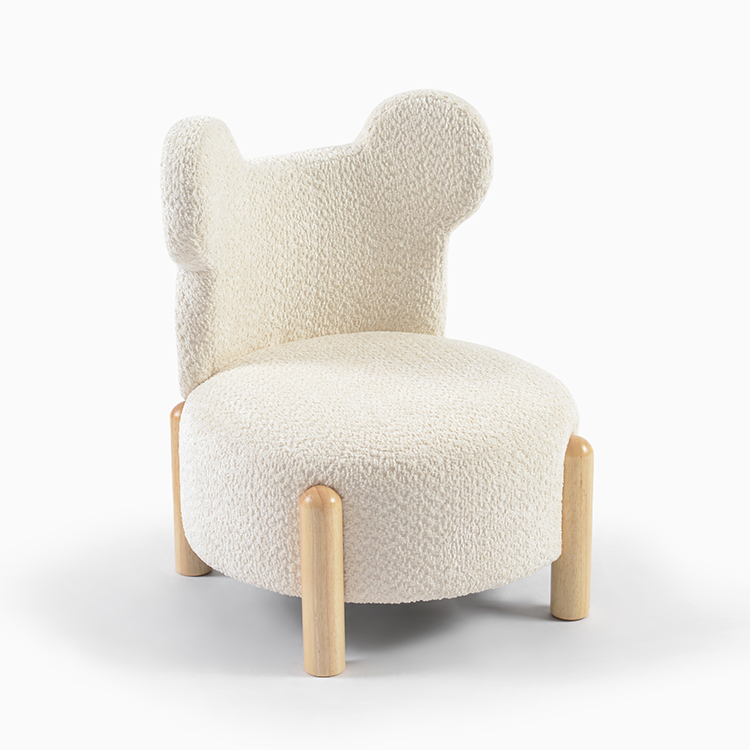
- animal-inspired kids’ chairs
- vehicle-inspired storage
- house-frame beds
- sculptural kids’ sofas
- colorful bedside tables
- imaginative reading furniture
A largely neutral room, for example, might feature a playful bookshelf or distinctive children’s chair as its hero piece.
This approach allows the room to maintain a relatively timeless base while still giving children a sense of imagination and personality.
For furniture brands, this creates another opportunity.
A distinctive bookshelf, chair or kids’ sofa can become a recognizable hero product within an otherwise coordinated collection.
Products with a strong visual identity may also be easier to feature in shop windows, social media content and online product photography.
8. Dedicated Reading, Learning and Creative Spaces
Another characteristic of modern kids’ room design is the creation of small functional zones.
Rather than treating the room as one undivided space, furniture can help establish areas for different activities.
Sleeping Zone
A calmer area centered around the bed, usually with softer colors and fewer distractions.
Reading Zone
A low bookshelf combined with a kids’ chair, small sofa or comfortable floor seating.
Creative Zone
A child-sized table and chairs for drawing, building, crafts and other activities.
Play Zone
Open floor space or flexible furniture that can adapt to different games.
Storage Zone
Accessible shelving, baskets or storage furniture that helps children organize books and toys.
These zones do not necessarily require a large bedroom.
Appropriately scaled furniture can help even relatively compact rooms feel more organized and functional.
Europe vs. North America: How Do Kids’ Furniture Trends Differ?
Europe and North America share many of the same kids’ furniture trends, although the emphasis can differ by market, home size, brand positioning and consumer preference.
| Furniture Trend | Europe | North America |
|---|---|---|
| Warm Scandinavian Design | Strong influence | Growing influence |
| Natural Wood Furniture | Widely used | Popular |
| Montessori-Inspired Furniture | Popular | Popular |
| Space-Saving Furniture | Particularly relevant | Relevant |
| Modular Play Furniture | Growing | Strong interest |
| Play Couches | Growing | Particularly visible |
| Playful Statement Furniture | Popular | Popular |
| Multifunctional Furniture | Important | Important |
European children’s interiors often place strong emphasis on natural materials, compact design and efficient use of space.
In North America, larger bedrooms, family rooms and dedicated play areas can provide more opportunities for modular seating and larger play furniture.
However, both markets are moving toward a similar principle:
Good kids’ furniture should combine thoughtful design with functionality, durability and the way children actually use their space.
What Should Buyers Consider When Sourcing Kids’ Furniture?
For retailers, wholesalers and children’s brands developing a new collection, visual trends are only part of the sourcing decision.
Furniture also needs to perform well in everyday family life.
1. Child-Friendly Dimensions
Furniture proportions should match the intended age group and the way children will interact with the product.
2. Thoughtful Construction
Edges, corners, hardware, gaps and moving components should all be considered carefully during product development.
3. Durable Materials
Children’s furniture can experience climbing, dragging, jumping, spills and frequent everyday use.
Structural durability therefore matters.
4. Easy-Care Materials
Washable fabrics, removable covers and easy-clean surfaces can make upholstered kids’ furniture more practical for families.
5. Packaging Efficiency
For e-commerce and international distribution, packaging dimensions can significantly influence storage, transportation and shipping costs.
Furniture design and packaging development should therefore be considered together.
6. Market Requirements
Safety and testing requirements can vary according to the product type and destination market.
Buyers should identify applicable requirements during product development rather than treating compliance as an afterthought.
7. Customization and Product Development
For private-label collections, buyers may also need customization in areas such as:
- dimensions
- fabrics
- colors
- materials
- finishes
- packaging
- labels
- product structure
Working with the manufacturer during the development stage can help balance design ideas with manufacturability, packaging and production requirements.
Frequently Asked Questions
What kids’ furniture styles are popular in Europe in 2026?
Warm Scandinavian interiors, natural wood furniture, Montessori-inspired layouts, multifunctional furniture and space-efficient storage are important directions in modern European children’s rooms.
What kids’ furniture styles are popular in North America?
Modern neutral interiors, Montessori-inspired furniture, modular kids’ sofas, play couches, multifunctional storage and playful statement furniture are prominent directions in North American children’s spaces.
Is Scandinavian kids’ furniture still popular?
Yes. Scandinavian-inspired kids’ furniture remains influential, although the aesthetic is becoming warmer. Natural wood, cream, beige, muted colors and tactile materials increasingly complement the clean lines associated with Scandinavian design.
What is Montessori-inspired kids’ furniture?
Montessori-inspired furniture is designed to support children’s independence. Common examples include low bookshelves, accessible storage, child-height tables and chairs, low beds and other furniture children can use more independently.
What is a play couch?
A play couch is modular soft furniture typically made from movable foam or cushion components. Children can use it as seating, a reading area, floor furniture or an open-ended play structure.
What colors are popular for kids’ rooms in 2026?
Warm white, cream, beige, natural wood tones, sage green, muted blue, terracotta and dusty pink work well with the warmer, nature-inspired direction seen in contemporary kids’ interiors.What should buyers consider when sourcing kids’ furniture?
Buyers should consider product safety requirements, materials, durability, intended age group, dimensions, easy-care surfaces, packaging efficiency, customization options and the regulations applicable to the destination market.
Looking for a Kids’ Furniture Manufacturing Partner?
Tianfeng Baby is a nursery and children’s furniture manufacturer supporting OEM and ODM projects for international brands, wholesalers and retailers.
Our kids’ furniture range includes kids’ sofas, kids’ beds, bookshelves, tables and chairs, along with other children’s furniture solutions.
From early product development and material selection to upholstery, customization, packaging and production, we work with buyers to turn new children’s furniture concepts into manufacturable products.
Whether you are developing a warm Scandinavian collection, a Montessori-inspired range, modular kids’ seating or a distinctive statement product, our team can work with you from concept development through production.
Contact Tianfeng Baby to discuss your next kids’ furniture collection.